
Acupuncture
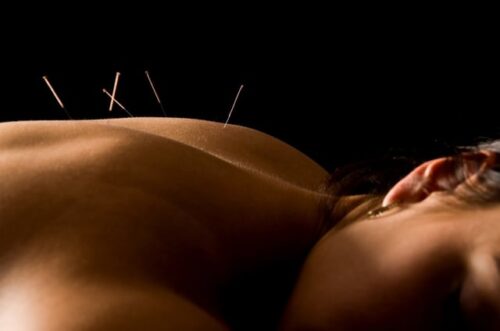 Acupuncture is a centuries old method of encouraging the body to promote natural healing and improve function.
Dr. Peter Jun Wu, a highly skilled acupuncturist in Washington, D.C., blends acupuncture, Traditional Chinese medicine and herbals to remove blockages and encourage health.
How Does Acupuncture Work?
”Where there is blockage there is disease, Where there is disease there is blockage.”
In Chinese Medicine, specific acupuncture points correspond to energy channels, or meridians, which flow through the body. Blockages in the energy channels, it is believed, are responsible for illness and disease. Acupuncture therapy is the most commonly used alternative treatment, now considered more mainstream, and many find it helpful for pain, respiratory issues, infertility, sleep issues, allergies, stress relief, or other chronic or acute health conditions, listed below.
Acupuncture for Pain in Washington, D.C.
- Headache, migraine
- Neck pain
- Shoulder pain
- Back pain
- Knee pain
- Wrist pain
- Elbow pain
- Joint pain
- Stomach pain
- Sciatica
- Carpal Tunnel Syndrome
Promote Natural Healing with Acupuncture and Chinese Medicine
- Smoking cessation
- Infertility
- Cardiology of hypertension, heart disease
- Respiratory problems, cough
- Cancer support
- Nausea from chemotherapy
- Allergies, sinus problems
- Addiction cravings
- Fatigue
- Immune system deficiency
- Menopause syndrome
- Depression or Stress
- Constipation or Stomach problems
- Detoxification
- Vertigo, dizziness
Call 202-237-7000 to schedule today and find relief and relaxation with acupuncture.
Exclusive NIHA Acupuncture Articles
How Does Acupuncture Work?
Regardless of what you want to label it, any time you apply an acupuncture needle, you are moving qi, or vital force energy in the body. The intention of the acupuncturist does make a difference in the treatment strategy and results but the basic premise is the same: Acupuncture is a system of healing that uses the body’s energy pathways to clear blocked energy, tonify where qi is deficient, alleviate where qi is congested, mobilize when qi is stuck and balance the energy systems of the body.

Health Tips for the Fall Season from Chinese Medicine
Fall brings harvest time, the beauty of the changing leaves, and less daylight. In Chinese medicine, fall is associated with the element of metal and the lungs. It is a time to slow down, go to bed early, regroup and begin to move and think inward in preparation for winter.
With the change to cooler weather comes your body’s attempt to cope and wild fluctuations in temperature which are giant stressors on the system, bringing on colds and flu. Is there a way to prevent these seasonal health missteps? Of course!
Can Acupuncture Help Me Lose Weight?
The short answer is “YES!” acupuncture can help with weight loss- but the true answer is much more involved and requires several more questions in order to decide how to best achieve effective weight loss. Acupuncture can be an effective “assistant” to weight loss...